

If you're in the market for a forced reset trigger modification, chances are you've heard of the Hoffman Tactical Trigger Kicker. This highly affordable drop-in component has taken the AR-15 community by storm, offering active-reset functionality at a fraction of the cost of traditional cassettes. But what exactly is it, and why did Hoffman Tactical create it? Let's dive into the history, requirements, and installation of the Trigger Kicker.
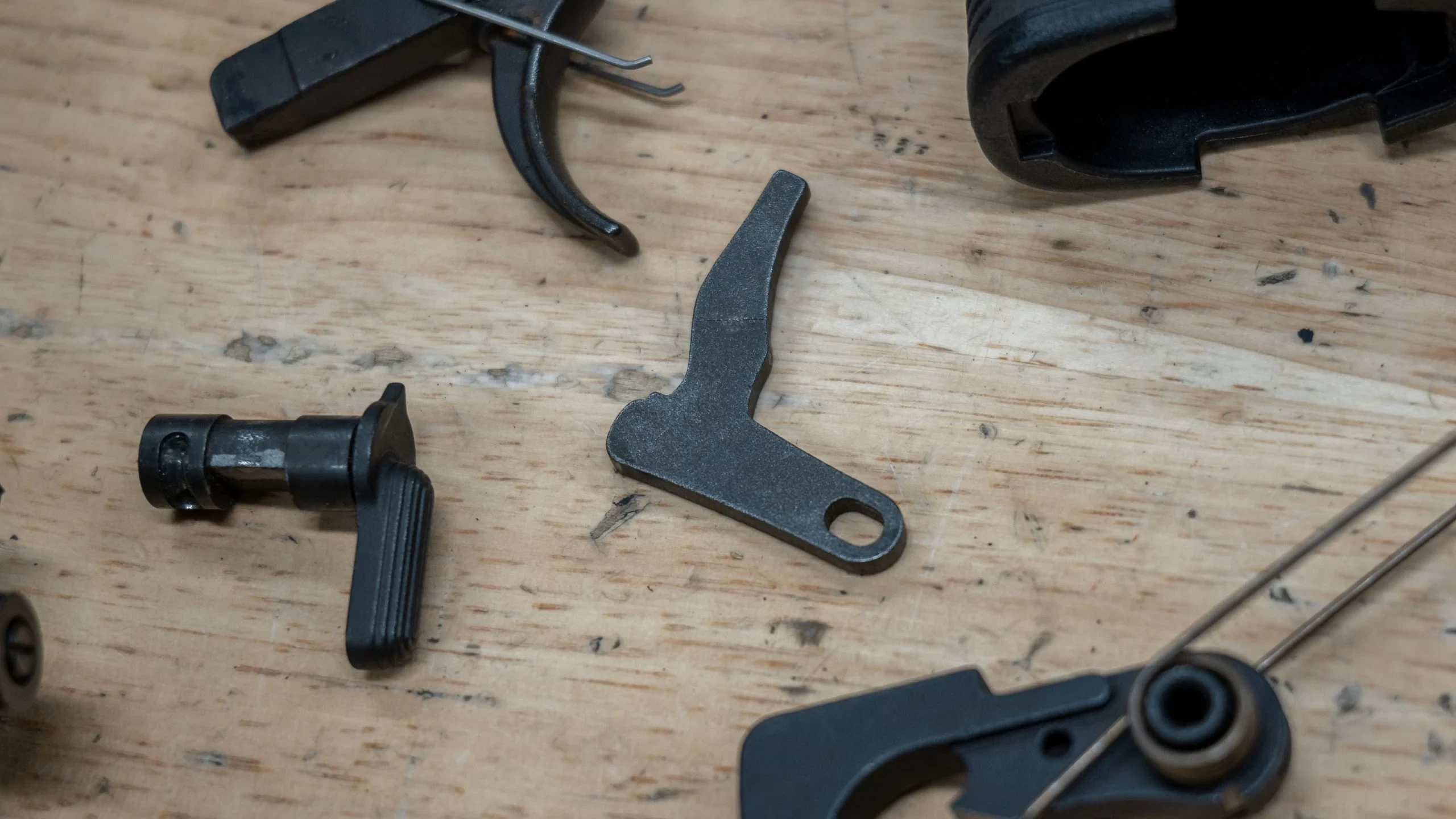
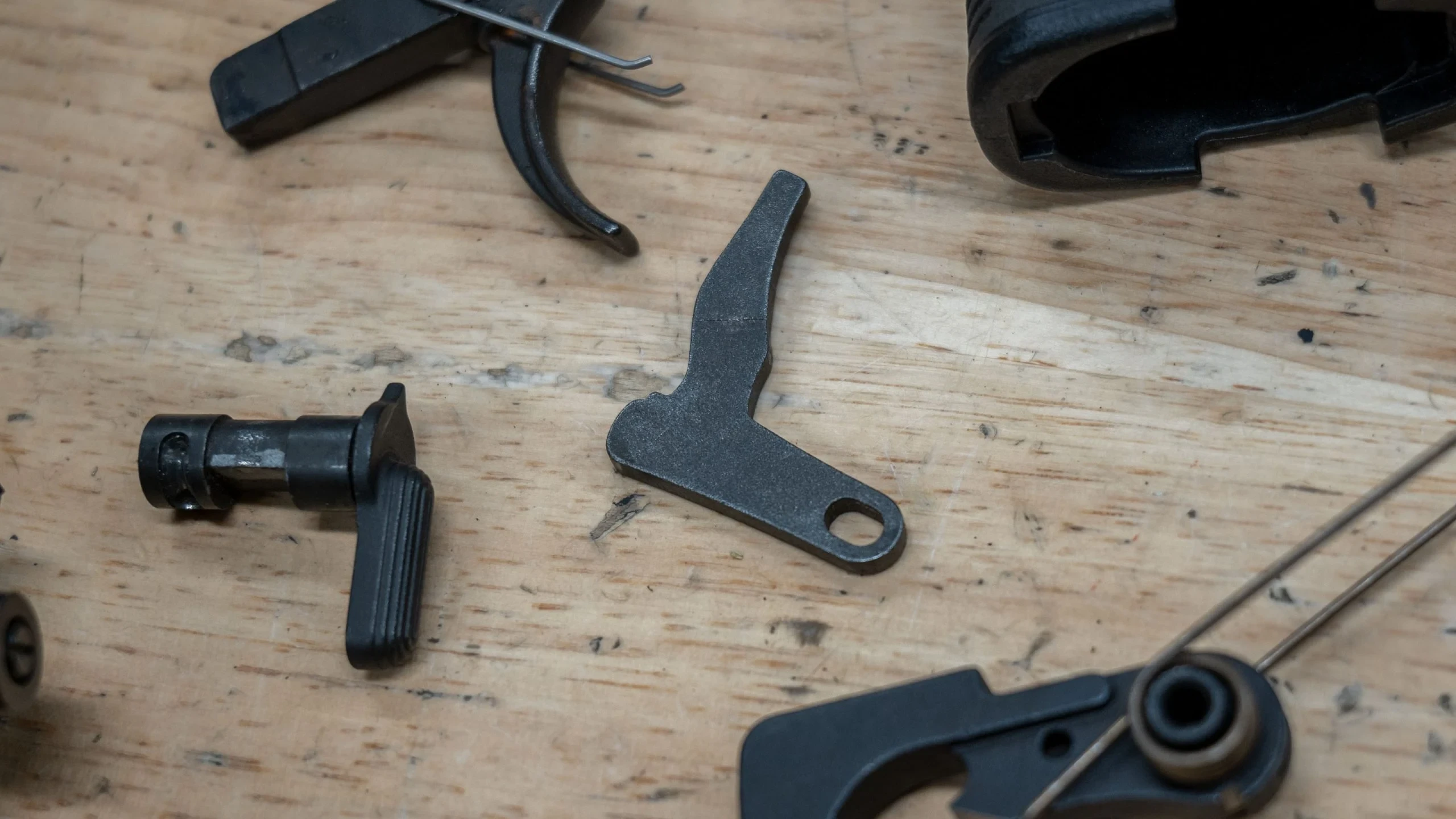
Sold under part number TK-15, the Trigger Kicker is machined from hardened 4130 alloy steel and retails for around $43. It replaces just one part in your fire control group, the disconnector, and turns an otherwise standard mil-spec AR-15 into a forced reset rifle. Because it relies on the parts already in your lower, compatibility matters more than with any other Forced Reset Trigger on the market, so read the requirements below before you order.
Background: Tim Hoffman and Hoffman Tactical
Hoffman Tactical, founded by Tim Hoffman, is a major player in the world of 3D-printed firearms and innovative AR-15 accessories. Known for pushing the boundaries of mechanical design, Tim Hoffman originally gained massive popularity with the invention of the Super Safety, an active-reset device replacing the standard safety selector to force the trigger to reset rapidly after every shot.
Why Was the Trigger Kicker Invented?
The invention of the Trigger Kicker stems directly from legal and patent challenges surrounding the original Super Safety design. On December 23, 2025, Rare Breed Triggers, creators of the widely known FRT-15, filed a patent infringement lawsuit against Hoffman Tactical regarding the Super Safety's cam-based reset mechanism. A preliminary injunction followed in early 2026, backed by a Statement of Interest from the Department of Justice, halting Super Safety sales while the case plays out. Rather than engage in a protracted legal battle, Tim Hoffman returned to the drawing board.
His next invention was the Trigger Kicker. Instead of operating through the safety selector like the Super Safety, the Trigger Kicker acts as a forced reset device through the disconnector position. This brilliant engineering pivot bypasses the specific patent claims Rare Breed asserted, delivering a brand new product that still provides that sought-after forced-reset behavior. Hoffman says the prototype took only a few days; perfecting it and getting it into production took the better part of a year. When it launched in June 2026, demand was so heavy that his website crashed and daily restocks sold out within hours.
How It Works
When the rifle cycles, the hammer rotates back and strikes the Kicker, which pushes the trigger forward into reset. The Kicker then tucks under the standard safety selector and locks the trigger there until the bolt carrier returns to battery. As the carrier closes, it pushes the Kicker out from under the selector, unlocking the trigger for the next shot. Every round still requires its own pull of the trigger, which keeps it semi-automatic. Because it uses the stock selector, it is a two-position system: Safe and Active Reset. Hoffman has designed a three-position version with its own selector, but it is not in production yet.
Platform Compatibility
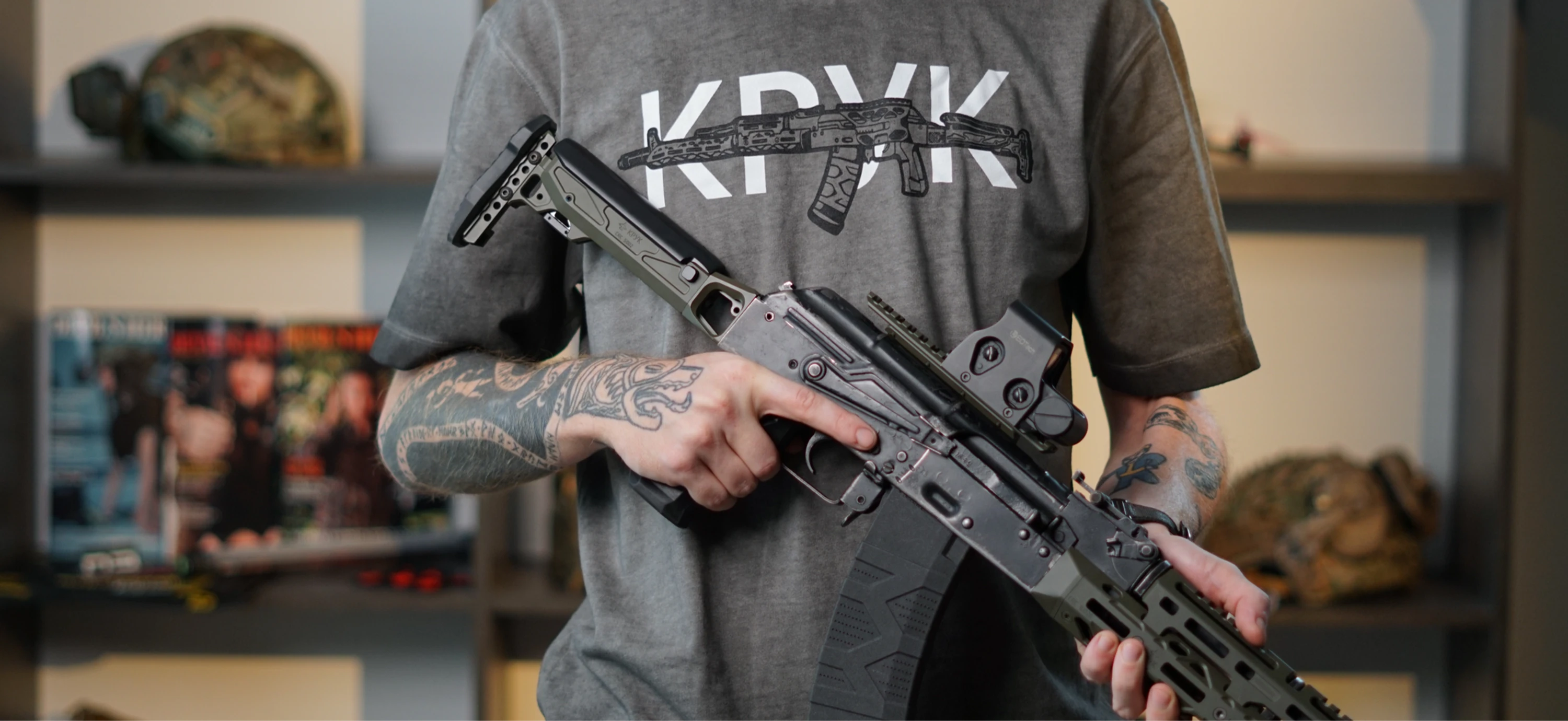
The Trigger Kicker is designed for standard, mil-spec AR-15 platforms. Because it swaps directly into your existing fire control group, it requires standard mil-spec trigger and hammer geometry. Note that it is not compatible out-of-the-box with AR-9, LR-308, KF-5, or bufferless systems (some AR-9 owners have gotten it running with bolt modifications, but Hoffman considers that experimental), and it works exclusively with standard 90-degree mil-spec safety selectors. Short-throw 45-degree selectors will not work, and 45/90 convertibles like the Radian Talon must be set to 90.
Trigger
A standard single-stage mil-spec trigger with the common disconnector slot. Two-stage and most "enhanced" aftermarket triggers use different slot dimensions and will either bind the Kicker or let it flop side to side.
Hammer
This is the one that trips people up. The Kicker needs a true semi-auto hammer with a full radius at the tip. Many budget lower parts kits ship with a demilled full-auto hammer that has had its auto sear surface ground flat, and that flat sits too low to engage the Kicker. If your hammer has a smooth ground surface on the rear, swap it. Hoffman sells compatible Schmid hammers, and ALLGOOPERATORS carries mil-spec fire control groups that work.
Essential Upgrades: BCG and Heavy Buffers
To ensure flawless cycling and prevent bolt bounce or short-stroking, the Trigger Kicker demands a tuned system.
First and foremost, a full auto M16 profile BCG should be used. The carrier's underside trip surface is what unlocks the Kicker when the bolt returns to battery. Lightweight or skeletonized carriers, and semi-auto carriers that have been cut back toward the rear, simply do not possess the correct trip surface to properly engage the active reset mechanism during cycling. This cannot be fixed with any lower parts.
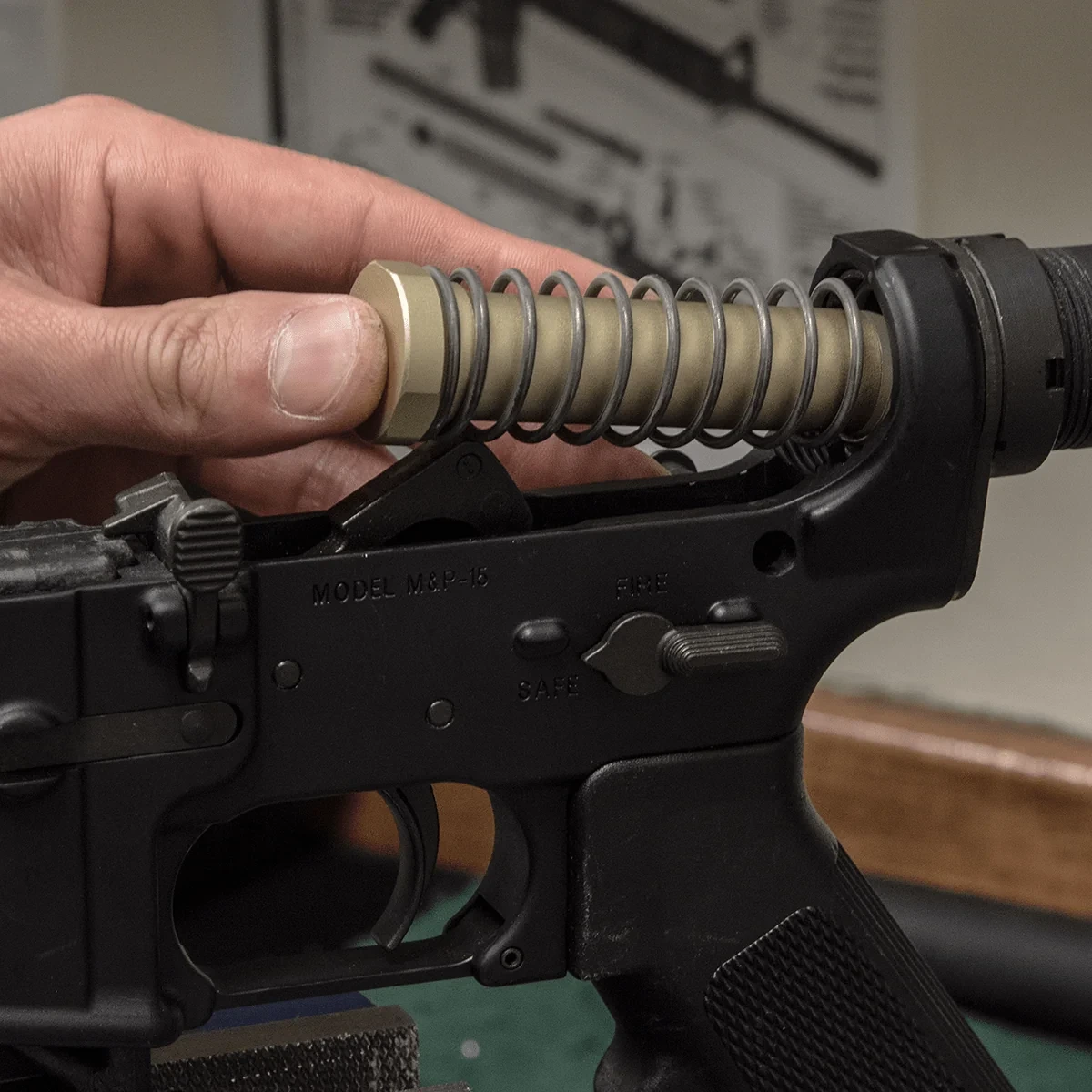
Secondly, a proper heavy buffer provides the necessary reciprocating mass. Some rifles will run on a standard carbine buffer, but a fast-cycling system is the most common cause of a dead trigger after two or three rounds. Depending on your barrel length and gas system, we recommend:
- H2 Buffer (4.6oz): Generally recommended for standard 16-inch or longer barrel setups. This is where most owners land.
- H3 Buffer (5.2oz): Ideal for short-barreled rifles (SBRs), pistol-length gas systems, and suppressed rifles.
The Universal Solution: Odin Works HFRT Heavy Buffer & Buffer Spring Kit, specifically engineered to slow carrier velocity and perfectly tune any AR-15 forced reset system. Pair it with an adjustable gas block and you can dial the rate of fire down enough to squeeze off controlled singles and short bursts on demand.
How to Install the Trigger Kicker
One of the main selling points of the Trigger Kicker is how incredibly simple it is to install. Unlike other systems that require swapping the entire fire control group, this is just a quick disconnector swap. Most people are done in under five minutes with nothing but a punch.
- Step 1: Ensure the firearm is completely unloaded and visually verified clear. Remove all ammo from the bench. Separate the upper and lower receivers.
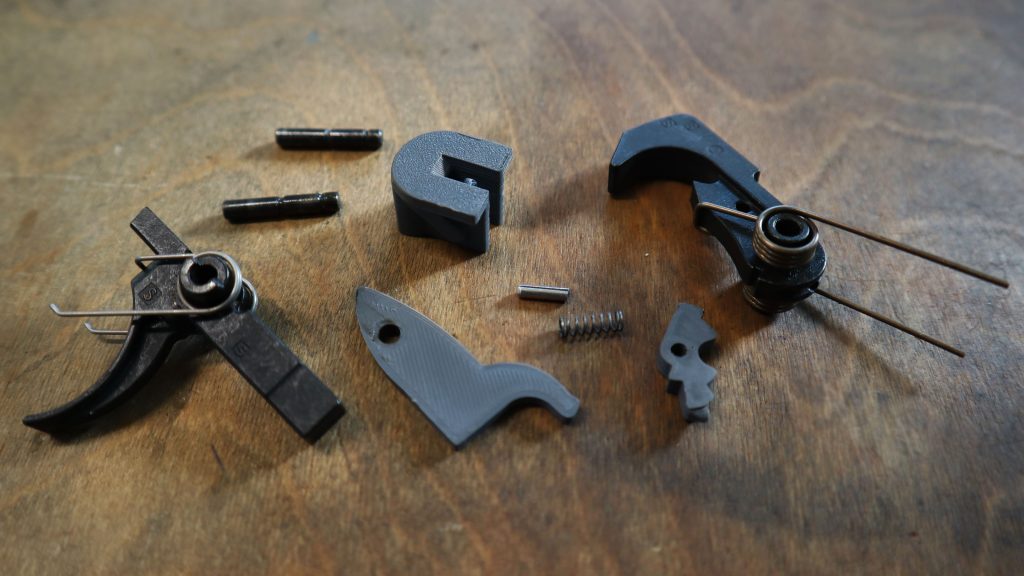
- Step 2: Drive out the hammer pin and remove the hammer and hammer spring, then drive out the trigger pin to remove your existing mil-spec disconnector and disconnector spring from the fire control group.
- Step 3: Drop the Trigger Kicker into the space previously occupied by the disconnector, curved tail to the rear. No spring, new hammer, or safety selector is required. Reinstall the trigger pin through the Trigger Kicker and trigger assembly.
- Step 4: Hold the Trigger Kicker forward while you seat the hammer and reinstall the hammer pin. This is the step everyone misses; if the Kicker isn't held forward, the hammer binds against it.
- Step 5: Perform a dry-fire function check. Verify the safety selector still locks the trigger out on 'Safe'. On 'Fire', pull and hold the trigger, then slowly cycle the charging handle: the trigger should snap forward under your finger and the hammer should release only once the carrier is fully closed. If the hammer follows the carrier or the trigger won't reset, stop and recheck your hammer, trigger, and BCG against the requirements above.
Upgrade Your Build Today
If you're looking to enhance your AR-15's capabilities, the Trigger Kicker is a phenomenal choice. AllGoOperators sells all kinds of forced reset triggers and active reset upgrades, plus the M16 BCGs, heavy buffers, and mil-spec fire control groups that make the Kicker run. If you are looking to explore other options, check out the legendary Super Safety to see which system best fits your build.
Not sure if your hammer or carrier is compatible? Contact us with a photo and we'll tell you exactly what you need.